“Stress can become an addiction like cigarettes or alcohol, explaining why many people repeat stressful patterns or find calm uncomfortable.”
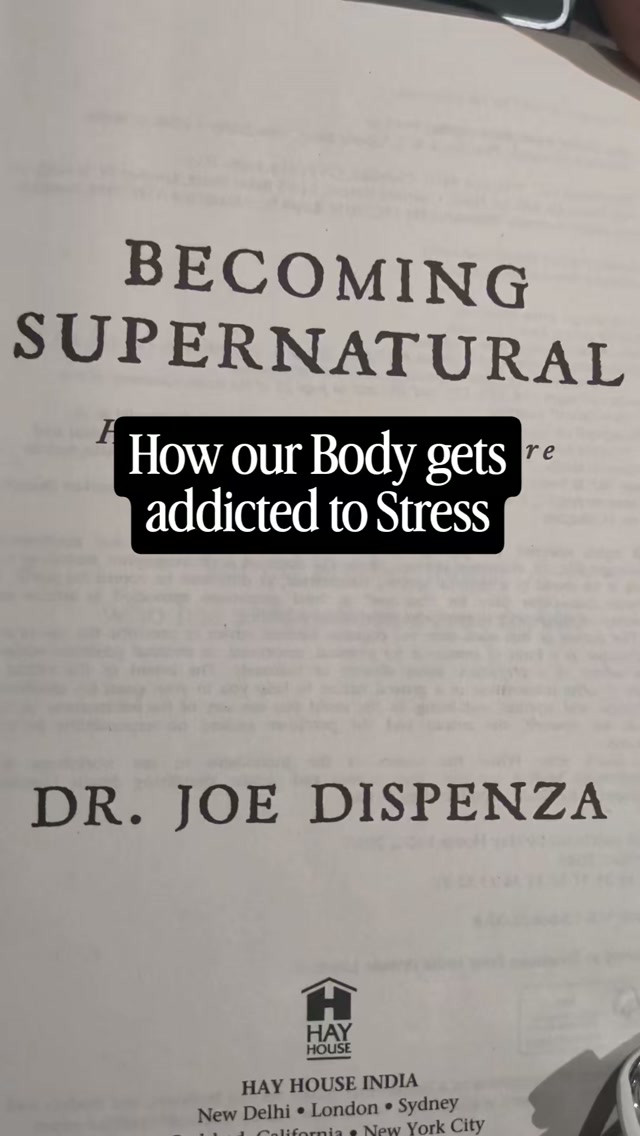
@ravvij__Reel analyzed by Clear
“Stress can trap routines, but calling it cigarette-level addiction overstates the science.”
Chronic or repeated stress can alter stress-response systems, and stress is a well-supported risk factor for substance misuse, relapse, and inflexible coping patterns.
Stress itself is not an established addictive disorder equivalent to nicotine or alcohol addiction. Major diagnostic systems recognize substance-use disorders and limited specified behavioral addictions, not a diagnosis of stress addiction. The post also gives no evidence that most people have this pattern.
The addiction comparison suggests a clinically established, cigarette- or alcohol-like condition. That framing materially overstates what research supports and can blur different causes of persistent stress or discomfort with calm.
Why Clear says this
The claim uses a real connection between stress, reward, coping, and addiction research, but turns that connection into a broad clinical equivalence. Repeated stress exposure can be harmful without constituting an addiction.
Evidence
- The American Psychiatric Association describes substance-use disorders as involving substances such as alcohol and tobacco; DSM-5 recognizes gambling disorder as a behavioral addiction, while stress addiction is not listed.
- WHO's ICD-11 describes recognized disorders due to addictive behaviors as gambling and gaming disorders, not stress.
- A 2024 clinical review finds that stress, trauma, and adversity can disrupt adaptive stress responses and are linked to maladaptive coping, craving, relapse risk, and maintenance of drug use.
- Research supports stress as a risk factor for addiction and relapse; it does not establish that stress itself becomes an addiction comparable to cigarettes or alcohol.