“Carmilla, a sexually charged female-vampire story with lesbian/queer themes, was published 25 years before Dracula.”
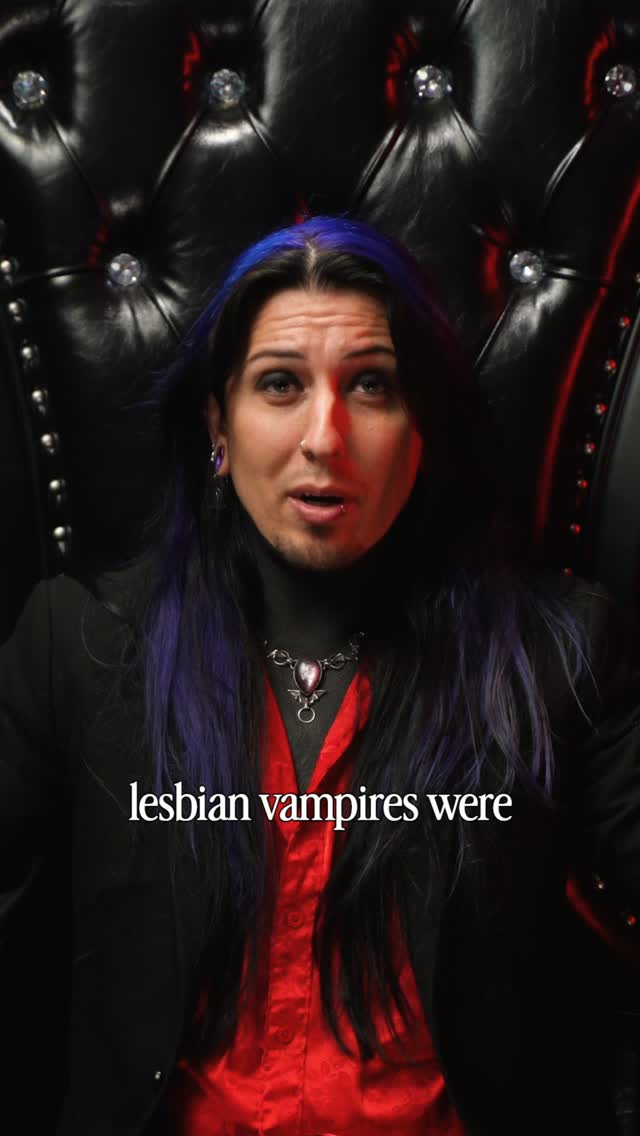
@bokuwahydeReel analyzed by Clear
“Carmilla had sapphic vampire drama decades before Dracula reached print.”
Carmilla was serialized from December 1871 through March 1872 and appeared in Le Fanu’s 1872 collection In a Glass Darkly. Dracula was published in 1897. Literary scholarship and university collections commonly identify Carmilla’s relationship with Laura as coded in romantic, erotic, and lesbian terms.
The novella does not plainly depict an explicit sex scene. Saying Carmilla engages in obviously sex treats an erotic vampiric relationship and literary interpretation as explicit textual fact. Applying the modern identity label lesbian also needs historical caution.
The explicit-sex wording and modern terminology are caveats, not material omissions: the central point—that a queer-coded, erotically charged female vampire story substantially predates Dracula—holds up.
Why Clear says this
The date comparison is accurate for the 1872 book publication and Dracula’s 1897 publication. Carmilla is a major precursor to Dracula and a longstanding touchstone for lesbian-vampire criticism. Its sexual content is suggestive rather than explicit, but that distinction does not overturn the post’s central historical claim.
Evidence
- University College Cork’s textual archive dates Carmilla’s first serialization to December 1871–March 1872 and identifies the 1872 In a Glass Darkly edition.
- Oxford Bibliographies lists Carmilla (1872) and Dracula (1897) in its chronology of vampire fiction.
- The University of Victoria describes Carmilla and Laura’s relationship as using sexual and romantic terminology and highlights themes of feminine desire and lesbianism.
- Scholarly work notes that Carmilla predates a clearly defined historical category of lesbianism, so the label is useful but anachronistic if treated as exact Victorian self-identification.