“Parijat flowers are not only decorative; they also provide health benefits.”
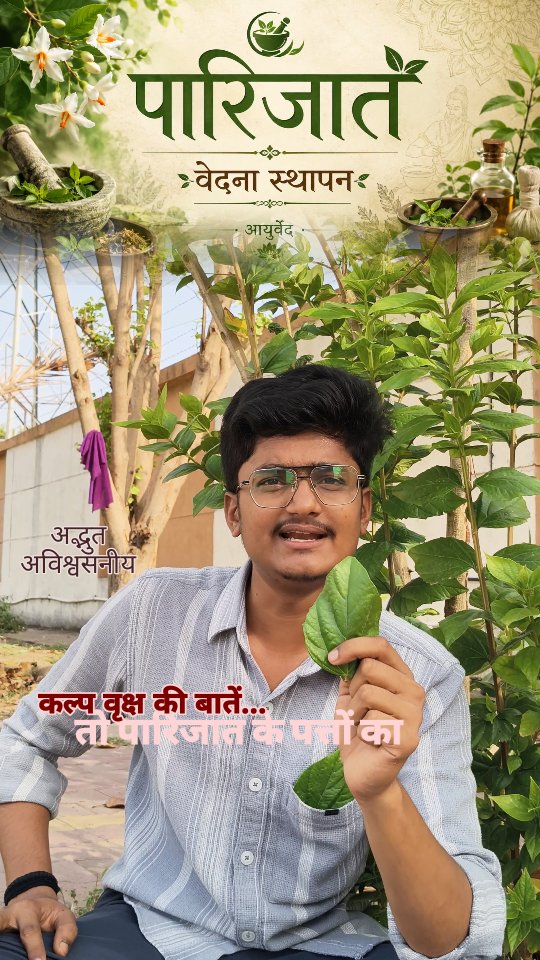
@surbhi.ayurvedaReel analyzed by Clear
“Parijat has traditional uses, but flowers still need human evidence to earn health claims.”
Parijat has documented traditional medicinal uses. A study of a hot-water flower infusion found anti-inflammatory activity in rat models.
The post presents a broad health benefit as settled without clarifying that the flower-specific evidence is preclinical and that human effectiveness and safety are not established.
This omission can lead viewers to mistake traditional use and animal findings for demonstrated health benefits in people.
Why Clear says this
Traditional use and laboratory or animal results can justify further research, but they do not establish that consuming or using parijat flowers improves health in humans. A pharmacovigilance review found no registered clinical trials for this herb and called for more clinical evidence.
Evidence
- A peer-reviewed flower-infusion study reported anti-inflammatory effects in rats, not people. ([pmc.ncbi.nlm.nih.gov](https://pmc.ncbi.nlm.nih.gov/articles/PMC4700716/?utm_source=openai))
- A pharmacovigilance review reported limited clinical evidence and no clinical-trial registration, making benefit-risk assessment difficult. ([pmc.ncbi.nlm.nih.gov](https://pmc.ncbi.nlm.nih.gov/articles/PMC10728290/?utm_source=openai))
- NIH advises checking evidence, side effects, and medication interactions before using herbal products. ([nccih.nih.gov](https://www.nccih.nih.gov/health/are-you-considering-a-complementary-health-approach?utm_source=openai))