“The linked group can supply original U.S. dietary supplements at good prices.”
IG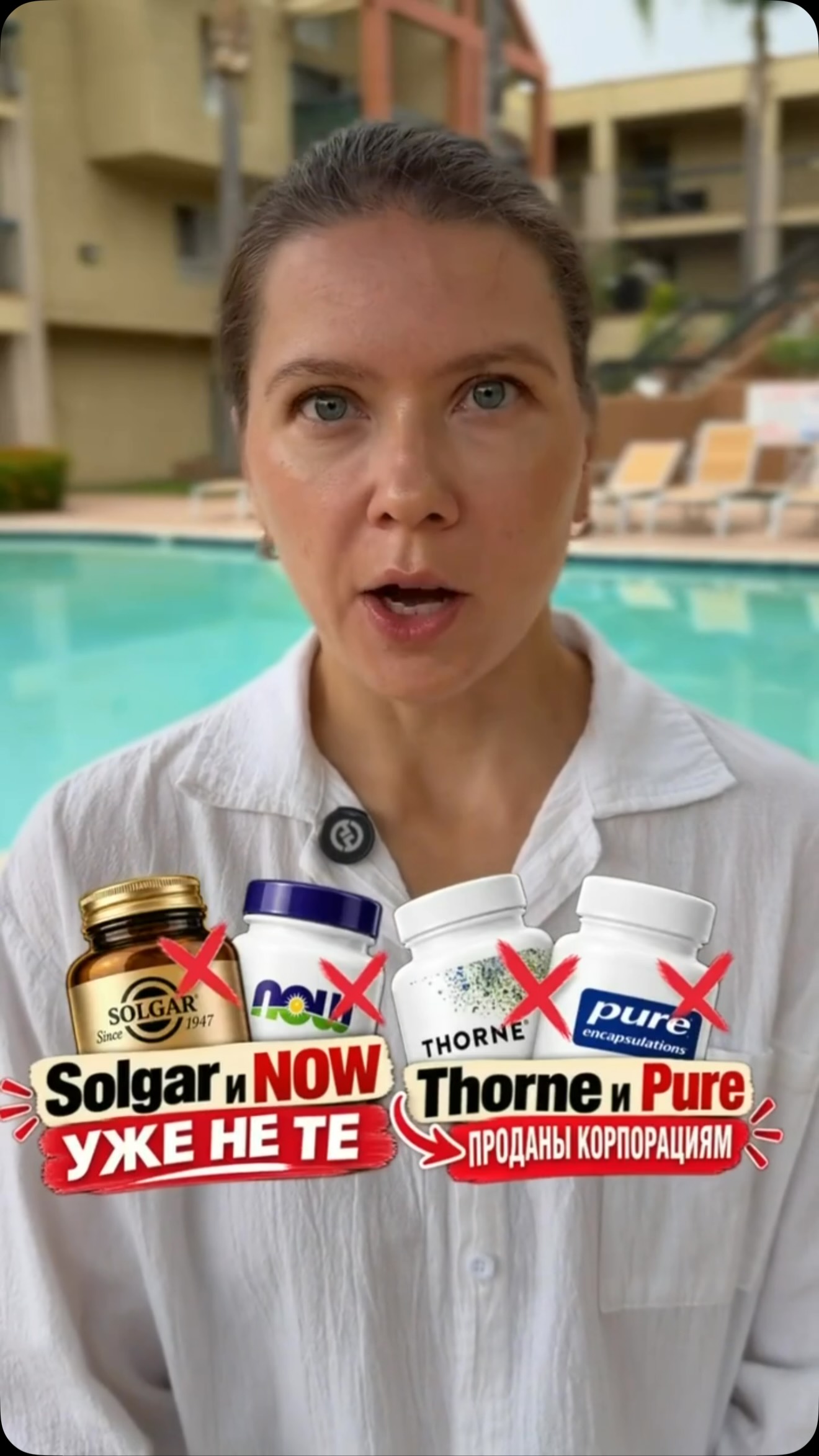
@aniaka_prReel analyzed by Clear
INSUFFICIENT EVIDENCE
Confidence94%
“Authenticity and a good price are checkable only once the seller and products are identified.”
What holds up
The post makes no specific medical-benefit claim. Dietary supplements and U.S.-made consumer products can be sold online.
What does not
It provides no verifiable evidence for the key sales claims: that products are original, sourced from the United States, or competitively priced.
Why it matters
High. Seller identity, exact products, comparable prices, provenance, return policies, and payment terms would materially affect whether a reasonable buyer trusts the offer.
Why Clear says this
Authenticity and price are concrete, testable claims, but the post supplies only a prompt to request a private link. Without identifying the seller or products, independent evidence cannot confirm or refute the central takeaway.
Evidence
- FDA states that dietary supplements are generally not approved before marketing; manufacturers are responsible for product safety, labeling, and compliance.
- The FTC advises consumers to investigate unfamiliar online health-product sellers and compare sellers and products before buying.
- The FTC notes that unusually cheap brand-name products may be counterfeit or stolen, making price and seller verification relevant.
Sources used
1FDA: Questions and Answers on Dietary SupplementsDietary supplements are generally not FDA-approved before marketing, and firms are responsible for lawful safety and labeling.↗2FTC Consumer Advice: Buying Health Products and Services OnlineConsumers should research unfamiliar online health-product sellers before providing personal or financial information.↗3FTC Consumer Advice: Online ShoppingBuyers should compare sellers and products; bargain-priced brand-name goods can be counterfeit or stolen.↗
Did this make the post clearer?Your feedback helps us catch bad calls.