“Nepal’s government, through Finance Minister Swarnim Wagle, is positive about creating legal frameworks for commercial and medicinal cannabis production.”
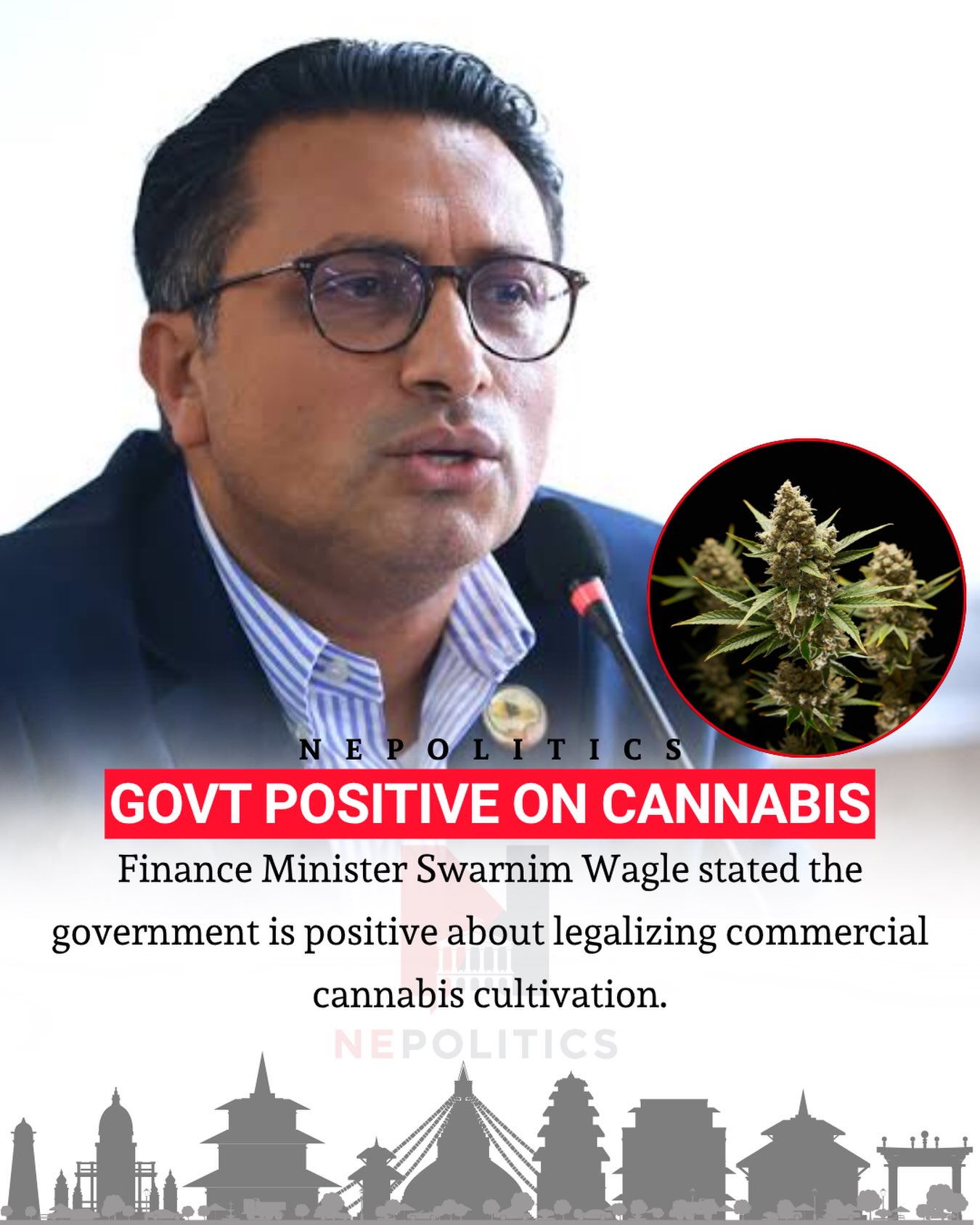
@nepolitics_Post analyzed by Clear
“A green light for exploring rules, not a harvest permit yet.”
Wagle made the statement during a National Assembly question-and-answer session and said the Finance Ministry would facilitate cannabis cultivation if it is studied by experts and regulated by law. Reports also describe his support for legal arrangements covering commercial production and medicinal use.
The post’s broad policy-shift framing should not be read as proof that nationwide commercial cannabis cultivation has already been legalized or that a new legal framework has passed.
The missing implementation detail does not materially alter the core claim: the post says the government is positive about establishing a framework, rather than claiming legalization is already in force.
Why Clear says this
The official National Assembly record confirms a session on August 21, 2026, and multiple independent news reports consistently describe Wagle’s conditional support for legislation and regulated cultivation. Nepal’s existing narcotics law still prohibits cannabis cultivation and related activities absent a lawful exception or legal change.
Evidence
- Nepal’s National Assembly recorded a meeting on August 21, 2026, the date of Wagle’s reported response.
- Independent reports from Onlinekhabar, Kantipur, and Radio Nepal say Wagle supported legal arrangements or facilitation for regulated commercial and medicinal cannabis production, subject to expert study and legislation.
- Nepal’s Narcotic Drugs (Control) Act currently prohibits cannabis cultivation, production, sale, transport, storage, and use, so the statement was about potential legal change rather than a completed nationwide legalization.