“Qatar’s helium shutdown and halted Hormuz shipping mean semiconductor fabs, phones, AI, and the broader chip industry are about to shut down within days.”
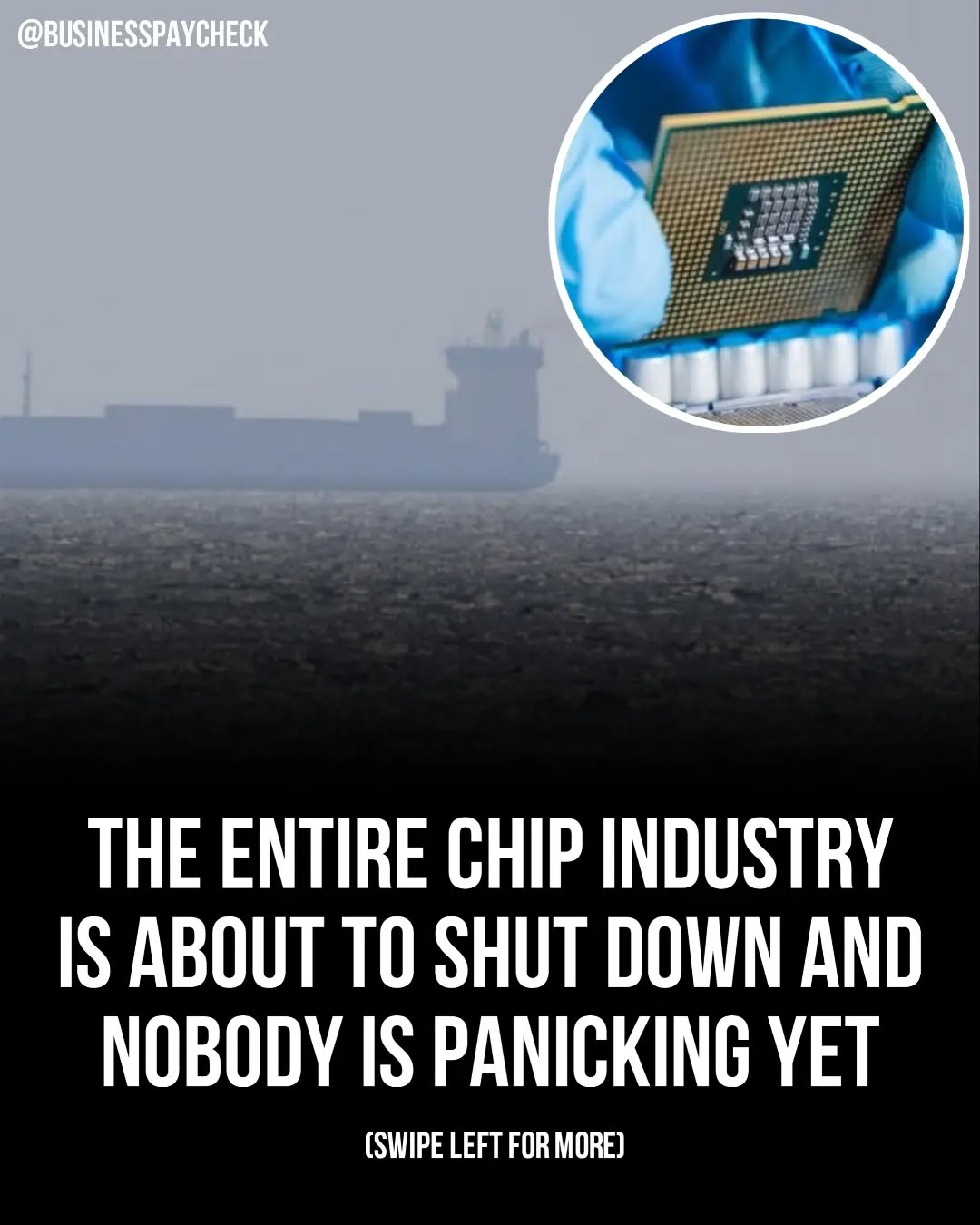
@businesspaycheck9 slides analyzed by Clear
“A real helium squeeze became a dramatic chip-apocalypse prediction.”
Qatar is a major helium supplier, its facilities were disrupted in 2026, and helium is used in semiconductor manufacturing. South Korean chipmakers had genuine exposure because of their reliance on Qatari helium. ([apnews.com](https://apnews.com/article/fe934332f7c83bb722ca87db22cd57d0?utm_source=openai))
The post turns a real supply risk into a claimed imminent global shutdown. Months after the disruption began, Samsung and SK hynix were still producing and reporting record semiconductor-driven results; Samsung also described further production ramps. Ships have continued to transit Hormuz despite severe danger, so "ships aren’t moving" is too absolute. ([news.samsungsemiconductor.com](https://news.samsungsemiconductor.com/global/samsung-electronics-announces-second-quarter-2026-results/?utm_source=openai))
Yes. Omitting continued chip output, company supply responses, and ongoing—though dangerous—shipping changes the reasonable viewer’s belief from a major supply-chain risk to an unavoidable near-term collapse.
Why Clear says this
The factual premise is substantial: helium supply was disrupted and fabs cannot casually replace helium in some processes. But the central prediction—an imminent shutdown of the entire chip industry and downstream AI and phone production—is directly undermined by subsequent operating evidence. The post’s all-or-nothing framing therefore makes the central takeaway false, not merely incomplete.
Evidence
- Qatar halted LNG and associated products after attacks in March 2026, creating a major helium disruption; AP reported that TSMC did not anticipate a significant impact at that time. ([apnews.com](https://apnews.com/article/fe934332f7c83bb722ca87db22cd57d0?utm_source=openai))
- USGS reports helium is materially used in semiconductors, but this establishes importance rather than an automatic immediate shutdown of all fabs. ([pubs.usgs.gov](https://pubs.usgs.gov/periodicals/mcs2026/mcs2026.pdf?utm_source=openai))
- Samsung reported record second-quarter 2026 semiconductor results and plans to expand production, inconsistent with an industry-wide shutdown. ([news.samsungsemiconductor.com](https://news.samsungsemiconductor.com/global/samsung-electronics-announces-second-quarter-2026-results/?utm_source=openai))
- SK hynix reported record second-quarter 2026 results, inconsistent with its fabs having stopped within days. ([news.skhynix.co.kr](https://news.skhynix.co.kr/q2-2026-business-results-yb/?utm_source=openai))
- The U.S. maritime advisory and AP reporting document continued transits amid high danger and attacks, contradicting the absolute claim that ships were not moving. ([maritime.dot.gov](https://www.maritime.dot.gov/msci/2026-004-persian-gulf-strait-hormuz-and-gulf-oman-iranian-attacks-commercial-vessels?utm_source=openai))