“Pakistan’s DGMO begged India to stop BrahMos strikes, proving India alone compelled the May 10, 2025 ceasefire and permanently rewrote South Asian deterrence.”
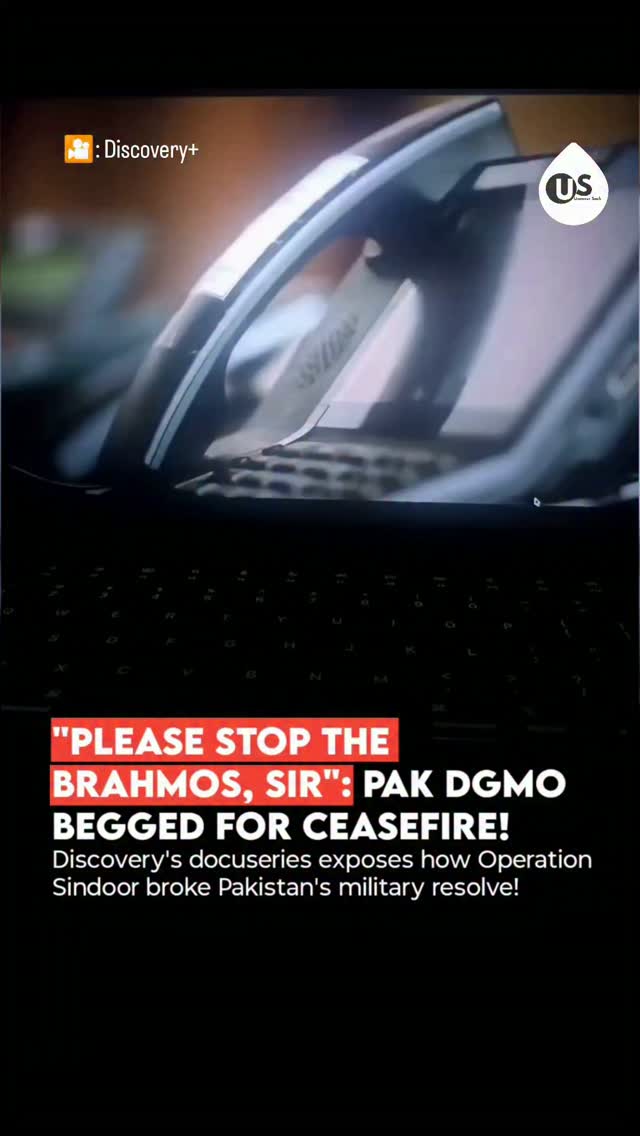
@uncoversachReel analyzed by Clear
“A hotline call is evidence of contact, not a complete battlefield scorecard.”
India’s government publicly stated that Pakistan’s DGMO contacted India’s DGMO on May 10, 2025 and that both sides agreed to halt military action. Independent analysis also finds that India conducted consequential strikes against Pakistani military targets and that the conflict crossed prior escalation thresholds.
The post treats a reported private exchange as independently declassified fact and presents the ceasefire’s cause as settled. No public authenticated hotline transcript establishes the wording shown, including the claimed BrahMos plea. The claim that outside diplomacy played no role is also not established; U.S. officials claimed facilitation, Pakistan credited U.S. involvement, and independent analysis describes significant diplomatic engagement.
Material. A reasonable viewer is led to believe the quoted plea, BrahMos-driven causation, exclusion of third-party diplomacy, and a permanent deterrence outcome are proven facts rather than contested or still-indeterminate conclusions.
Why Clear says this
The central message goes beyond the documented fact that a Pakistani DGMO call occurred. It asserts a specific private quotation, a single decisive cause for the ceasefire, and a durable strategic outcome. India and Pakistan offered conflicting accounts of who sought the ceasefire, while independent researchers caution that public evidence about the final-hours diplomacy and battle damage remains limited. That makes the post’s certainty unjustified, but does not establish the opposite account as conclusively true.
Evidence
- India’s government said Pakistan’s DGMO called India’s DGMO on May 10, 2025 and the sides agreed to halt firing and military action.
- Pakistan officially disputed that it requested the ceasefire and said India had sought it.
- Independent Stimson analysis says public evidence on the final-hours diplomacy is severely limited, describes significant U.S. diplomatic engagement, and concludes both sides accepted a U.S.-facilitated ceasefire.
- Independent analysis finds India’s May 10 strikes appear to have overcome Pakistani air defenses in important respects, but notes some strike outcomes and the broader conflict record remain uncertain.
- The available evidence does not independently authenticate the excerpt’s exact wording or establish that BrahMos strikes alone compelled the ceasefire.